
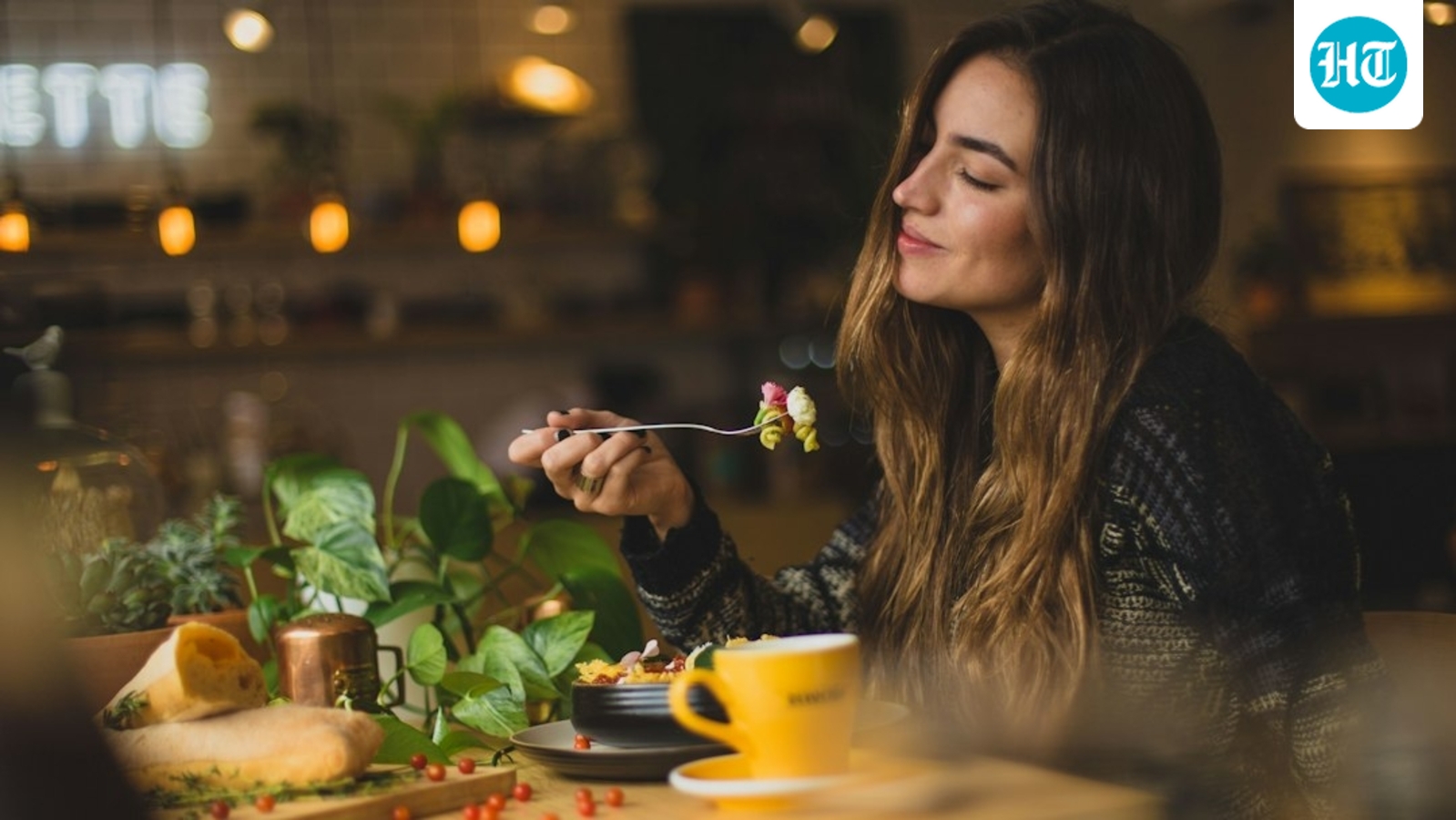
The health of an individual is more the product of their daily habits than it is of occasional, extreme efforts. Thus, people should Focus on establishing a manageable long-term routine to better care for themselves.
Also Read | Can slow movement in old age be a sign of Parkinson’s? Neurologist shares commonly missed clues
While there is a lot that can be done, on September 12, Dr Kunal Sood, a Maryland-based physician in anesthesiology and interventional pain medicine, took to Instagram to share five key habits that everyone, particularly women, should be aware of.
A post shared by Kunal Sood, MD (@doctorsoood)
About 98 percent of the body’s calcium is stored in bone , noted Dr Sood. The calcium requirement for women becomes especially important after menopause, as estrogen declines and bone loss accelerates.
“Build intake around foods like yoghurt, milk, fortified soy milk, calcium-set tofu, sardines, and leafy greens, then supplement only when a real gap remains,” suggested Dr Sood.
As the physician explained, “ Protein supplies amino acids needed to maintain muscle, while fibre supports bowel health, glucose control, cholesterol, and satiety. This combination becomes increasingly valuable with age as women become more vulnerable to muscle loss.”
Salmon, sardines, trout, herring, and other fatty fish provide healthy omega-3 fatty acids like EPA and DHA, along with protein.
“These fats support triglyceride metabolism, cell membranes, and cardiovascular signalling. The American Heart Association recommends fish, particularly fatty fish, about twice weekly,” highlighted Dr Sood.
According to Dr Sood, menopausal hormone therapy is the most effective treatment for bothersome hot flashes and night sweats, and systemic therapy also helps prevent menopause-related bone loss.
“It is not appropriate for everyone, so timing, symptoms, uterus status, medical history, and cardiovascular and cancer risks should guide the decision,” he noted.
In the words of Dr Sood, “Vitamin C helps keep nonheme iron from beans, lentils, tofu, seeds, and vegetables in a form that is easier to absorb. Simple combinations like lentils with tomatoes, chickpeas with lemon, or fortified cereal with berries can improve absorption without requiring High-dose vitamin C.”
Note to readers: This article is for informational purposes only and not a substitute for professional medical advice. Always seek the advice of your doctor with any questions about a medical condition.
This report is based on user-generated content from Social Media. HT.com has not independently verified the claims and does not endorse them.
Dr Kunal Sood , MD, is a double board-certified physician in Anesthesiology and Interventional Pain Medicine. He did his residency and fellowship in anesthesiology at Wayne State University in Detroit, Michigan, followed by a one-year fellowship in interventional pain medicine. He later became the Medical Director of the office in Germantown, Maryland.